


Twin-Shaft Industrial Shredder
Use this route when the feed is bulky scrap, car shells, metal drums or MSW and you want a tougher mixed-feed layout.
View productIntroduction
Choosing a reliable single shaft shredder manufacturer is an important step in building an efficient recycling or waste processing operation. A suitable industrial shredder can help reduce material size, improve downstream processing, and support more consistent production.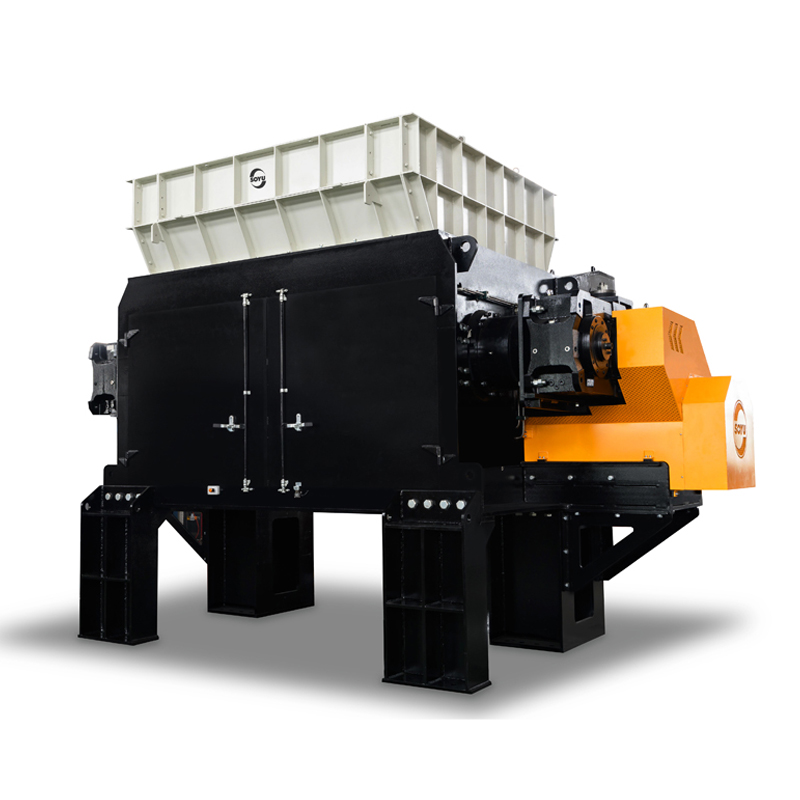
The first step is to identify the material you need to process. Different materials have different physical properties, feeding requirements, and shredding characteristics.
A single shaft shredder may be suitable for many recycling applications, but the correct configuration depends on the actual feed material and required output.
Common applications include:
Plastic recycling: Plastic lumps, pipes, purgings, and other suitable plastic waste.
Wood waste processing: Wood offcuts, production waste, and selected wood waste streams.
Packaging waste: Certain films, packaging materials, and other suitable feedstocks.
Electronic and cable recycling: Selected materials prepared for downstream separation and recovery.
RDF and waste processing: Suitable pre-sorted waste streams, depending on composition and processing requirements.
Not every single shaft shredder is suitable for every material. Large metal scrap, highly abrasive feedstock, and materials containing unexpected contaminants may require a different machine type or a specially engineered configuration.
Before requesting a quotation, provide the manufacturer with information about your material, including its dimensions, moisture content, bulk density, and any potential contaminants.
Practical tip: Photos, videos, and representative material samples can help a manufacturer evaluate your application more accurately.
A reliable single shaft shredder manufacturer should be able to explain how its machine design relates to your application.
Rather than focusing only on the machine's external appearance, ask about the major components and their functions.
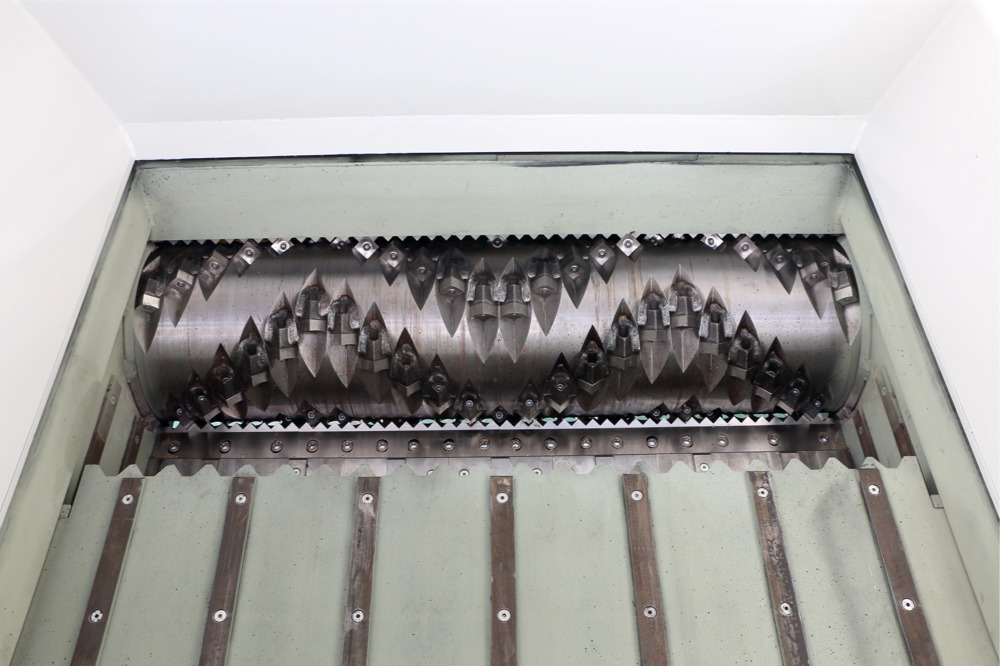
The rotor plays an important role in material cutting and processing. Its design, diameter, working width, and cutting arrangement should be appropriate for the intended feedstock.
Ask the manufacturer how the rotor configuration is selected for your material and operating conditions.
Blade material, geometry, hardness, and replaceability can affect cutting performance, maintenance requirements, and operating costs.
Ask about blade replacement procedures, sharpening or replacement options, and the availability of spare parts.
Many single shaft shredders use a hydraulic pusher to move material toward the rotor. The feeding arrangement should be appropriate for the material's shape, density, and feeding behavior.
For example, bulky plastic pieces and irregular production waste may require different feeding considerations from relatively uniform material.
The screen helps control the size of material discharged from the shredding chamber. Screen opening size, material characteristics, and the machine's operating conditions all influence the final output.
Ask the manufacturer which screen options are available and whether the proposed configuration can meet your downstream processing requirements.
Machine specifications are useful, but they should be evaluated in relation to your actual production needs.
Important specifications include:
Specification | What buyers should check |
|---|---|
Motor power | Whether the drive system is appropriate for the material and required capacity |
Rotor dimensions | Whether the working width and rotor design suit the feedstock |
Rotor speed | Whether the cutting configuration suits the intended application |
Screen opening | Whether the expected output size meets downstream requirements |
Feeding arrangement | Whether the machine can handle the material consistently |
Machine dimensions | Whether the equipment fits the available installation space |
Maintenance access | Whether blades, screens, and other wear parts can be serviced efficiently |
Throughput is one of the most important considerations when selecting industrial shredding equipment.
However, a machine's actual processing capacity depends on several factors, including material type, feed size, moisture content, feeding consistency, screen opening, and the desired output size.
For this reason, buyers should avoid comparing machines based solely on advertised capacity figures.
Ask the manufacturer to clarify the assumptions behind its capacity estimates and, where possible, arrange a material test using representative feedstock.
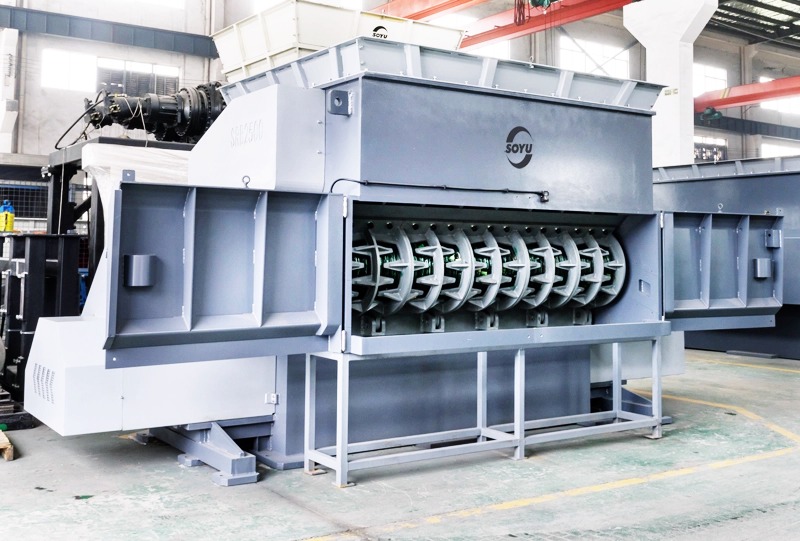
A suitable industrial shredder should match the needs of the recycling line rather than forcing the entire process to adapt to a standard machine.
Depending on the application, customization may involve:
Rotor width and cutting configuration.
Blade material and geometry.
Screen opening and screen design.
Hydraulic feeding arrangement.
Motor power and drive configuration.
Electrical controls and safety features.
Integration with conveyors, separators, and downstream equipment.
Customization should be based on clearly defined operating requirements. A larger motor or a bigger machine does not automatically guarantee better performance.
When discussing a project with a manufacturer, explain your current processing steps, target output size, desired throughput, operating hours, and available installation space.
The manufacturer can then assess whether a standard machine is appropriate or whether a customized solution should be considered.
A manufacturer's capabilities should be supported by verifiable information.
When evaluating a potential supplier, consider asking for:
Recent factory and production photographs.
Videos showing machine assembly and testing.
Details of inspection and quality-control procedures.
Information about component sourcing and traceability, where applicable.
Relevant project references or customer case studies.
Documentation covering installation, operation, and maintenance.
These materials can help you understand whether the supplier has practical manufacturing experience and whether its equipment is suitable for your project.
If possible, arrange a factory visit or a live video inspection. For projects involving unusual materials or demanding output requirements, a material test or factory acceptance test can provide additional confidence before shipment.
A professional manufacturer should also be willing to discuss the machine's limitations, maintenance requirements, and operating conditions.
The initial purchase price is only one part of the cost of operating a single shaft shredder.
A lower-priced machine may not be the most economical option if it requires frequent maintenance, consumes more energy than expected, or does not meet the required production target.
When comparing quotations, consider the following costs:
Initial equipment price.
Shipping, installation, and commissioning.
Electricity consumption under actual operating conditions.
Blade and screen replacement.
Routine maintenance and labor.
Spare parts availability.
Potential downtime and production interruptions.
Request a clear quotation that identifies the machine configuration, included accessories, exclusions, warranty terms, and delivery arrangements.
For a meaningful comparison, ensure that each supplier is quoting equipment with a similar scope and configuration.
After-sales support is an important part of purchasing industrial machinery, especially when the equipment will operate in continuous production.
Before placing an order, clarify the following:
What warranty coverage is provided?
Are remote technical support and troubleshooting available?
Are installation guidance and operator training included?
Which spare parts should be kept in stock?
What information is required to identify replacement components?
How are technical issues handled after installation?
Also ask for the operation and maintenance manuals and any relevant electrical documentation.
Clear communication before purchase can help prevent misunderstandings and support smoother commissioning.
SOYU provides industrial shredding equipment for recycling and waste processing applications. When evaluating SOYU for a project, buyers can begin by reviewing the single shaft shredder product range and discussing their specific processing requirements with the team.
The suitability of a machine should be assessed against the actual material, required output size, production target, and operating environment.
To help evaluate a proposed solution, buyers should prepare:
Material type and representative photos or videos.
Approximate feed dimensions and material condition.
Required output size.
Target throughput per hour.
Expected operating hours.
Installation and power supply requirements.
This information helps establish a clearer basis for equipment selection and technical discussion.
Explore the SOYU Single Shaft Shredder to review the product range and submit your project requirements.
For mixed waste applications, you can also visit the SOYU Mixed Waste Shredding Solution to learn more about material suitability and application considerations.
Before choosing a supplier, make sure you have clear answers to these questions:
Is the proposed machine suitable for my actual material?
What output size can I reasonably expect with the proposed screen?
How was the estimated throughput determined?
Which components are subject to regular wear?
How frequently may blades and screens require servicing under my operating conditions?
What installation and maintenance support is available?
Which spare parts should be ordered with the machine?
Can the supplier provide a material test or demonstrate comparable applications?
A manufacturer's answers can reveal how well it understands your application and whether its proposal is based on your requirements rather than a generic product recommendation.
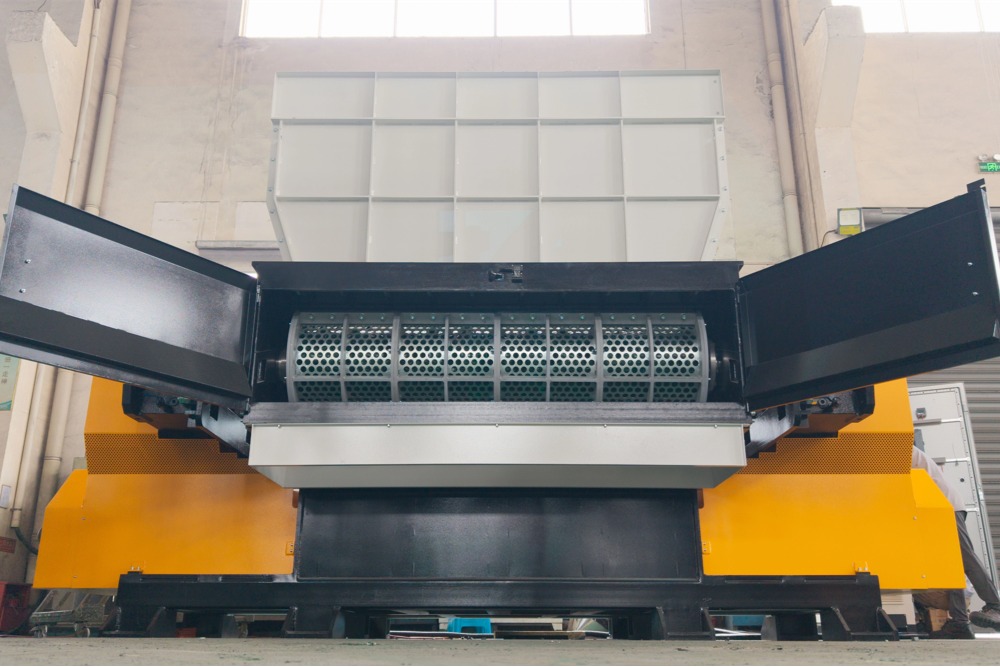
A single shaft shredder is not the best solution for every material or processing requirement. Compare these shredder types to find the right machine for your material, required output size, throughput, and downstream recycling process.
Explore the options below to determine which shredder configuration best fits your application.
Use this route when the feed is bulky scrap, car shells, metal drums or MSW and you want a tougher mixed-feed layout.
View product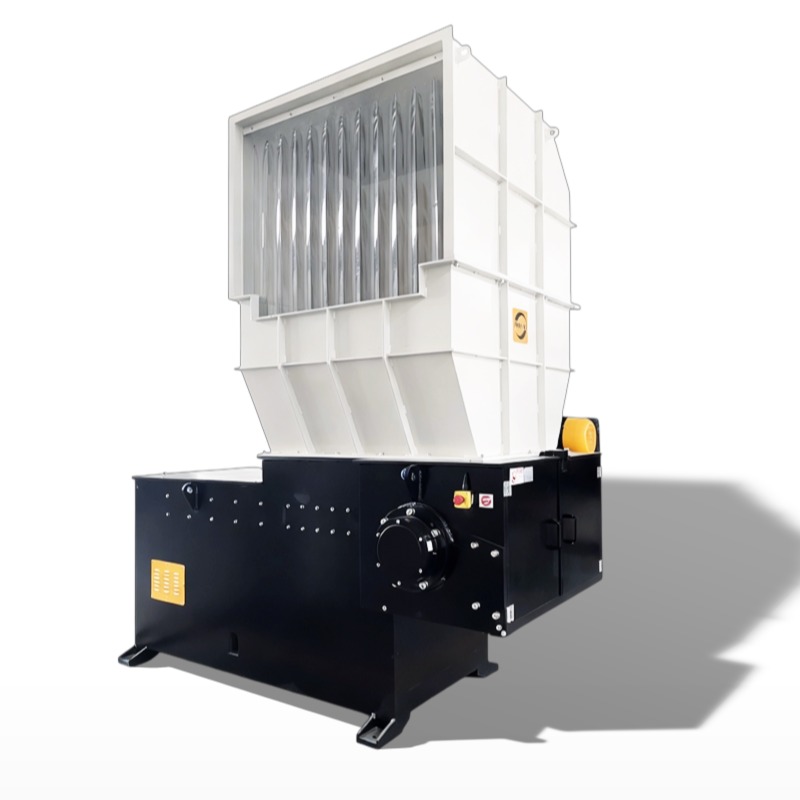
Choose this path when timber, pallets and biomass dominate the incoming stream.
View product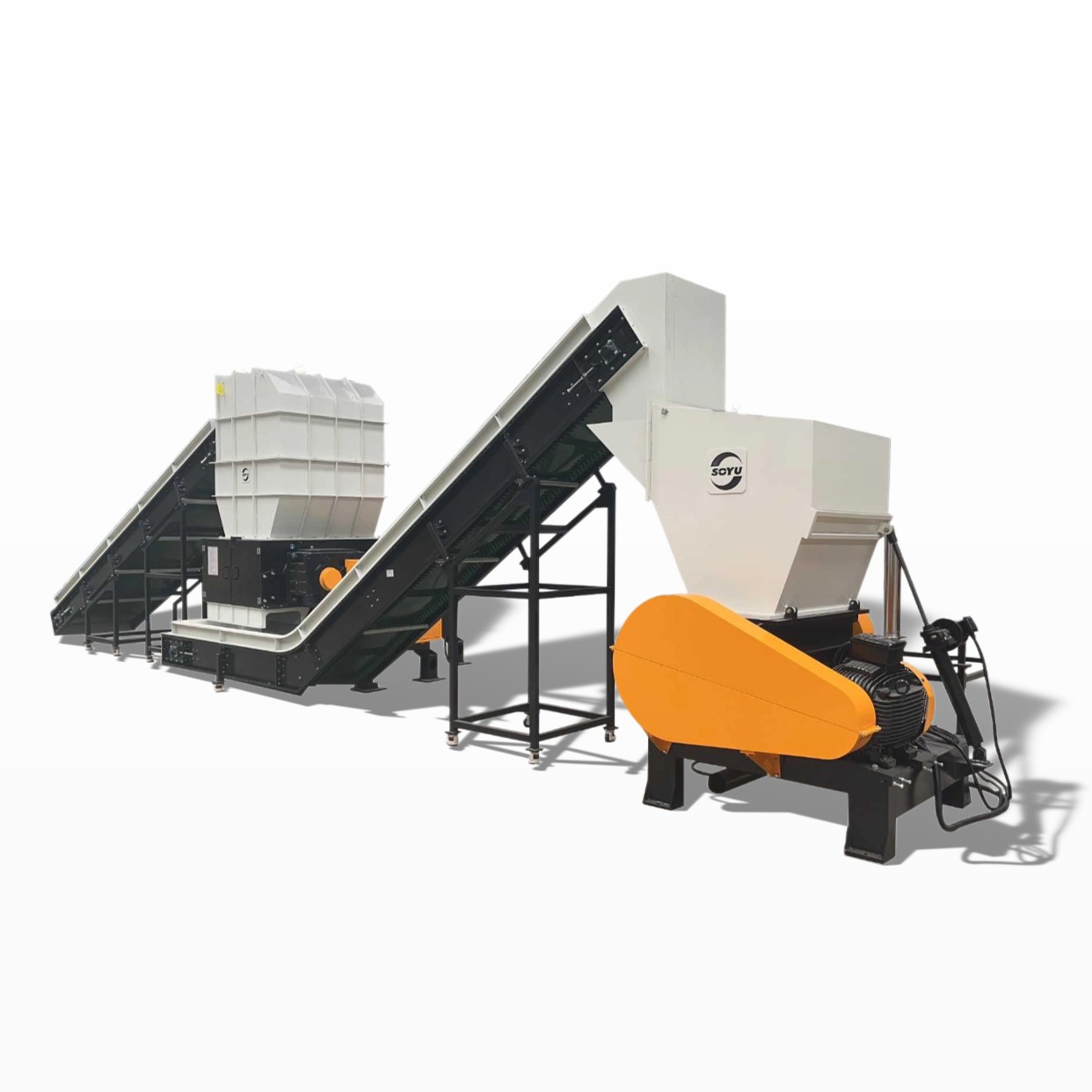
Use this layout when plastic lumps, offcuts and rigid plastic streams lead the line.
View product
Compare this path when tougher wood waste and recyclables need a different shaft layout.
View productExplore these guides to evaluate material compatibility, output requirements, and mixed-waste processing before choosing your shredder configuration.
Use this read to judge whether the hydraulic push and reversible alloy knives match your recycling target and feed consistency needs.
Read moreFocus on smooth feeding, CrMoV blades and screen control when you want stable throughput in daily waste processing.
Read moreSee how single-shaft shredding supports plastics, wood and e-waste lines without forcing one feed profile on every job.
Read moreLook for a manufacturer that understands your material, can explain its machine configuration, provides clear technical specifications, and offers appropriate documentation and after-sales support. Factory verification, relevant project references, and material testing can also help with supplier evaluation.
Depending on its configuration, a single shaft shredder may process suitable plastics, wood waste, packaging waste, and selected industrial or recycling materials. Material compatibility should always be confirmed with the manufacturer, particularly when the feedstock contains metal, abrasive contaminants, or mixed materials.
The screen opening should be selected according to the required output size and downstream processing needs. Actual particle size distribution also depends on material properties, rotor configuration, and operating conditions. Discuss your target output with the manufacturer before finalizing the screen.
Start with your required hourly throughput, expected operating hours, and the amount of material available for processing. Then consider material density, feed dimensions, moisture, target output size, and feeding consistency. Request a capacity estimate based on these details rather than relying on motor power alone.
Not always. A standard machine may be sufficient for common applications. Customization becomes more relevant when the feedstock, output requirements, available space, or production conditions differ from standard operating assumptions.
Provide the material type, photos or videos, approximate feed dimensions, target output size, required throughput, operating schedule, and installation requirements. If the material contains contaminants or varies significantly in composition, explain those conditions as well.
Choosing a reliable single shaft shredder manufacturer in China requires more than comparing prices and specifications. Buyers should evaluate material compatibility, machine design, expected throughput, manufacturing quality, customization options, maintenance requirements, and after-sales support.
The most suitable machine is the one that meets the project's actual processing requirements and offers a practical balance between performance, reliability, and operating costs.
If you are planning a plastic recycling, wood waste processing, or other suitable shredding project, contact SOYU with your material details and production requirements to discuss a potential solution.
Explore the SOYU Single Shaft Shredder or contact the SOYU team to discuss your application.

