Discover how real-world recycling projects help customers evaluate industrial recycling equipment, processing workflows, and customized system configurations.
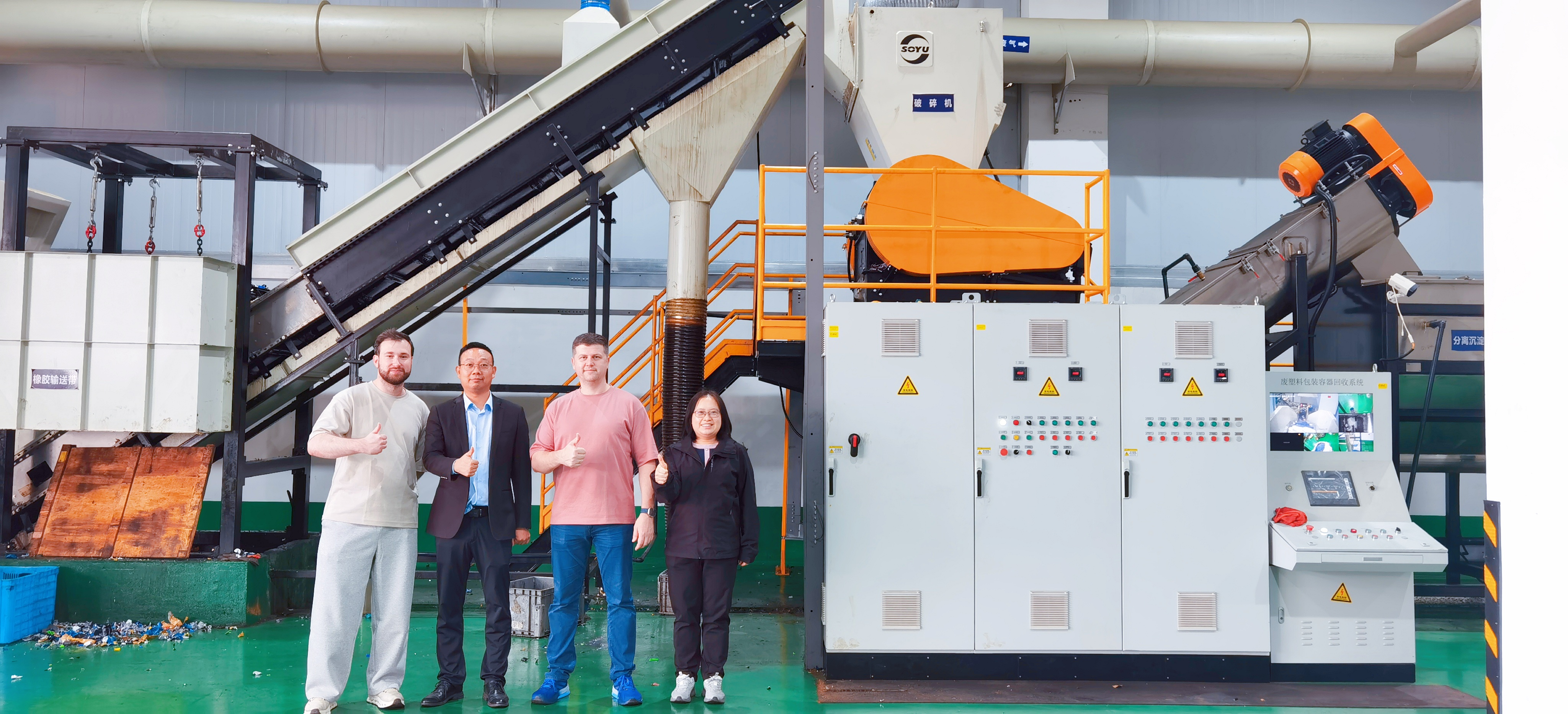
SOYU recently welcomed a European customer to visit two recycling project applications in Ningbo, Zhejiang Province, China: an Oil Filter Recycling Machine & System and a Waste Plastic Hazardous Packaging Container Shredding and Washing Line.
The on-site visits provided an opportunity to observe real project applications, learn about different waste processing approaches, and exchange technical insights on equipment configuration and recycling requirements.
For industrial waste recycling projects, choosing the right equipment involves more than selecting an individual machine. Material characteristics, contamination levels, processing capacity, separation requirements, and downstream material recovery all influence the design of an effective recycling system.
Through these project visits, SOYU demonstrated its experience in industrial shredding, crushing, washing, separation, and customized solid waste recycling solutions.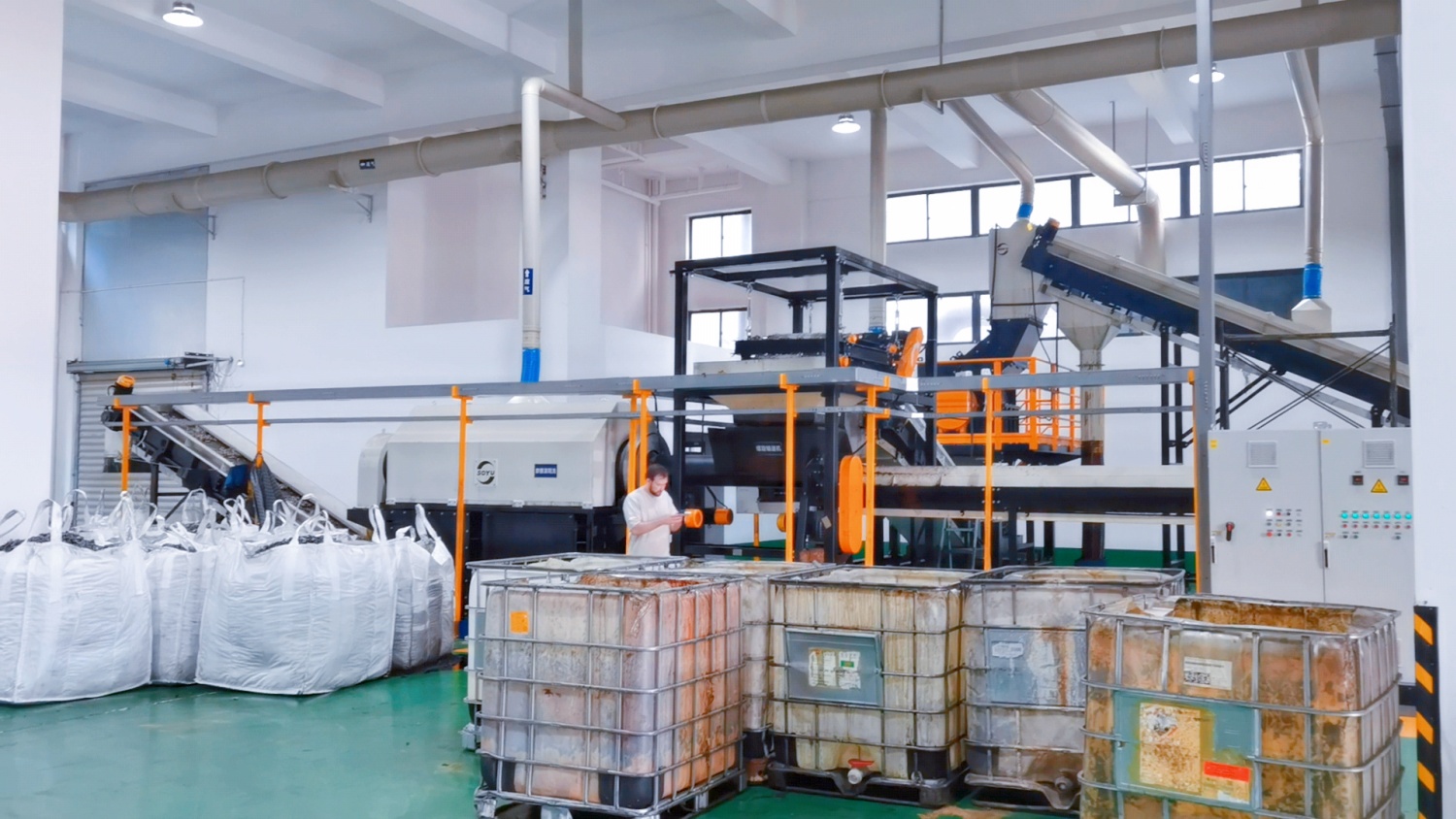
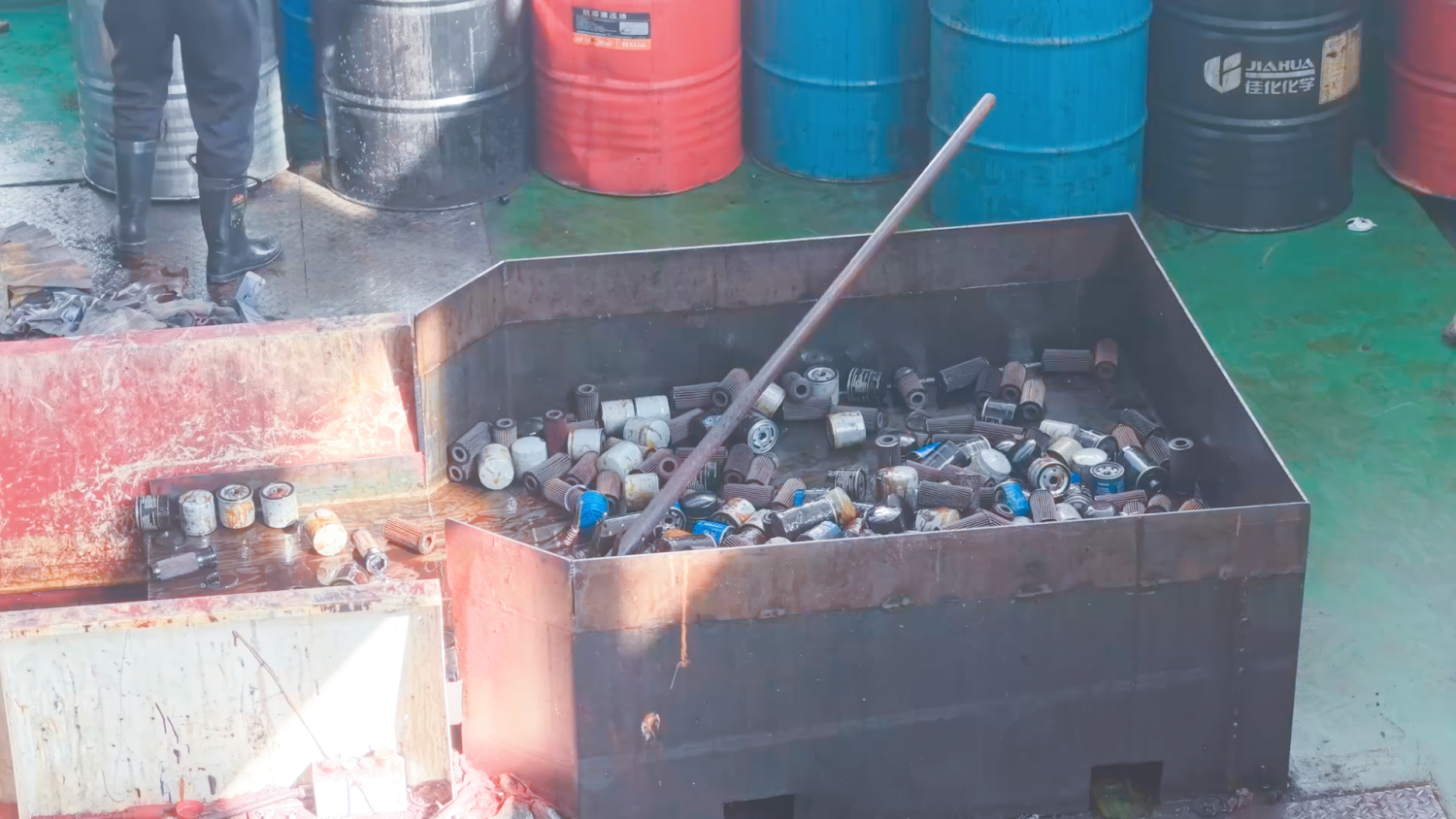
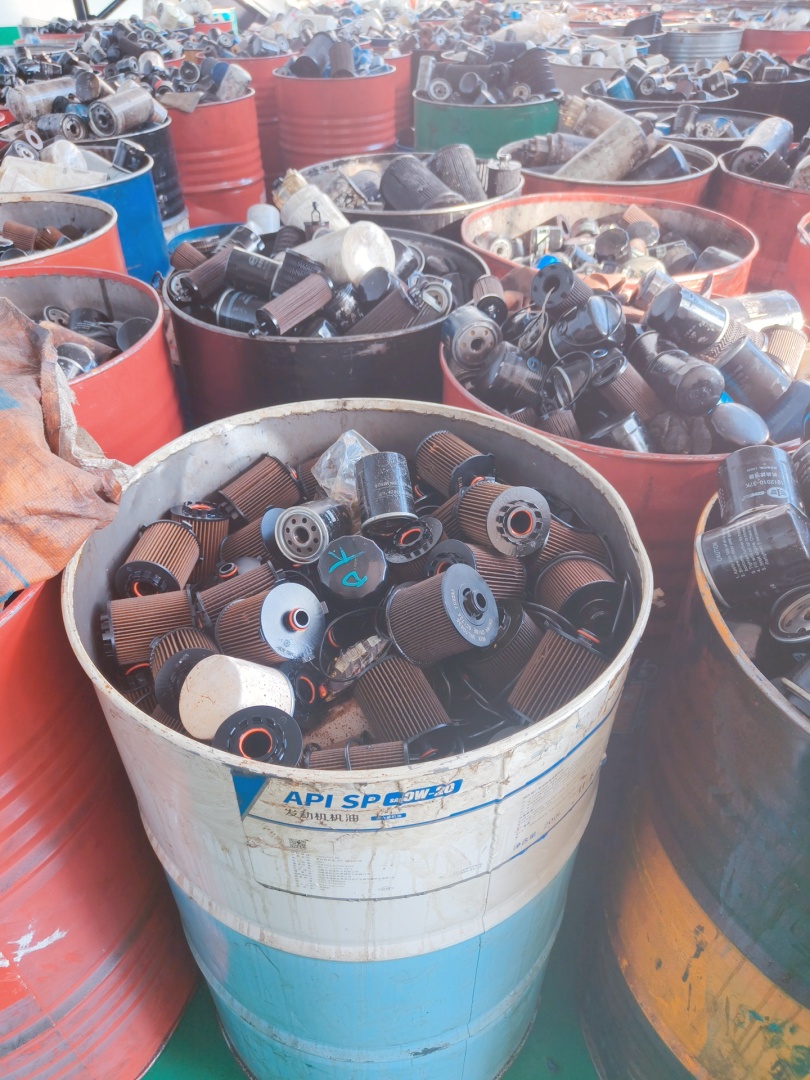
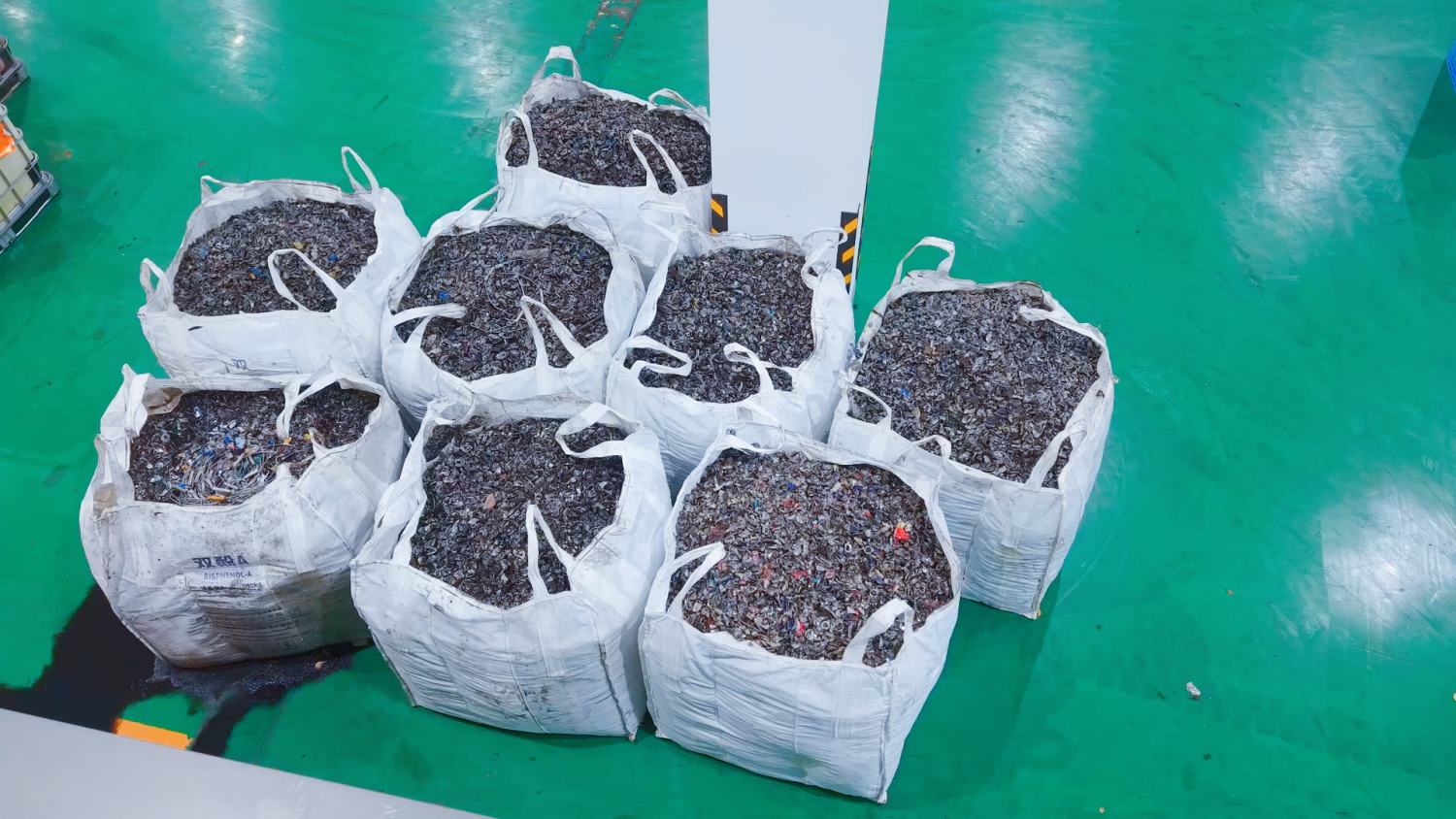
Used oil filters are a complex industrial waste stream. Depending on the filter type, they may contain steel housings, residual oil, filter paper, and other components that require appropriate handling and separation.
An effective oil filter recycling system must be designed around the incoming materials, residual oil conditions, processing requirements, and intended recovery routes.
Size reduction and material opening
Shredding or crushing can help open filter housings and reduce material size, preparing the material for subsequent processing stages. The appropriate equipment depends on the construction and dimensions of the filters being processed.
Oil removal and material separation
Depending on the process design, suitable oil-removal equipment and separation stages can be incorporated to handle residual oil and separate recoverable material fractions.
Downstream resource recovery
The objective is to prepare suitable material fractions for further recovery or recycling. The actual recovery results depend on the incoming waste, equipment configuration, operating conditions, and downstream processes.
A complete oil filter recycling machine and system may integrate size reduction, oil removal, conveying, and separation equipment according to the project requirements.
Learn more about the SOYU Oil Filter Recycling Machine & System.
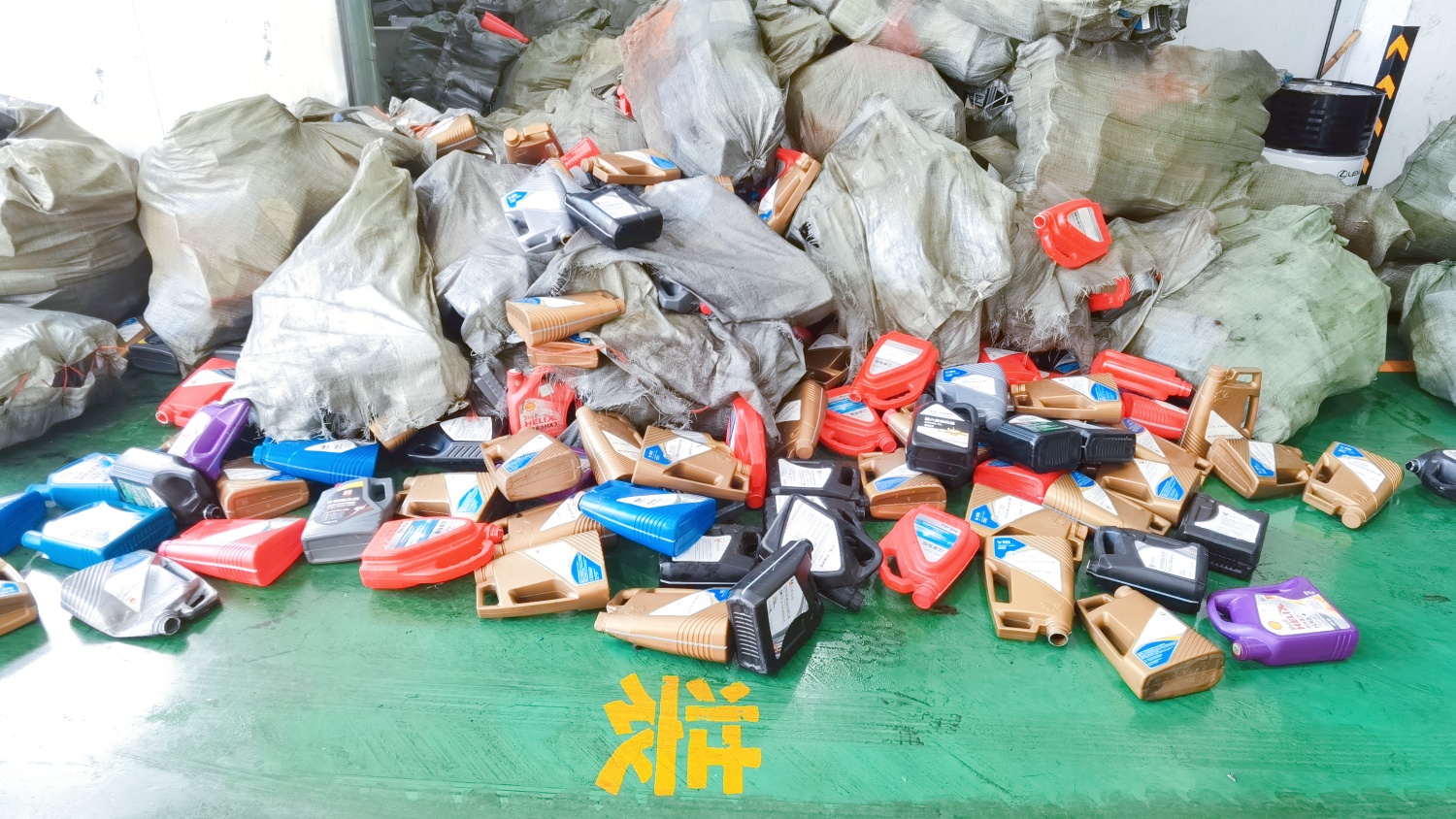
Industrial plastic packaging containers can present different processing challenges depending on their material, dimensions, contamination, and previous contents.
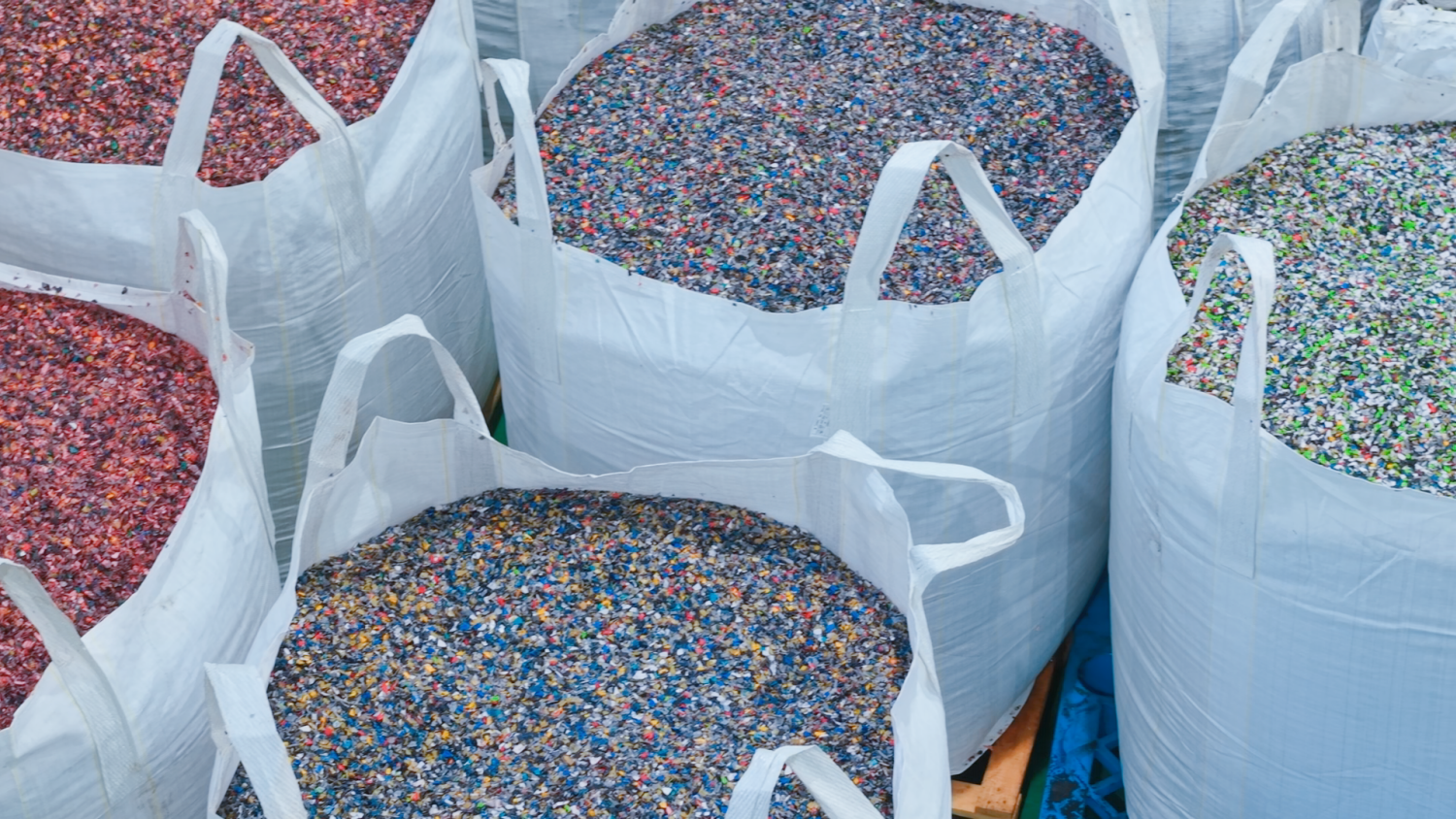
For suitable waste plastic containers, a plastic container shredding and washing line can combine size reduction and cleaning processes to prepare the material for subsequent treatment or recycling.
However, containers previously used for chemicals, oils, paints, or other hazardous substances require careful assessment before processing. Their residual contents and contamination characteristics determine the appropriate pretreatment, handling, and processing methods.
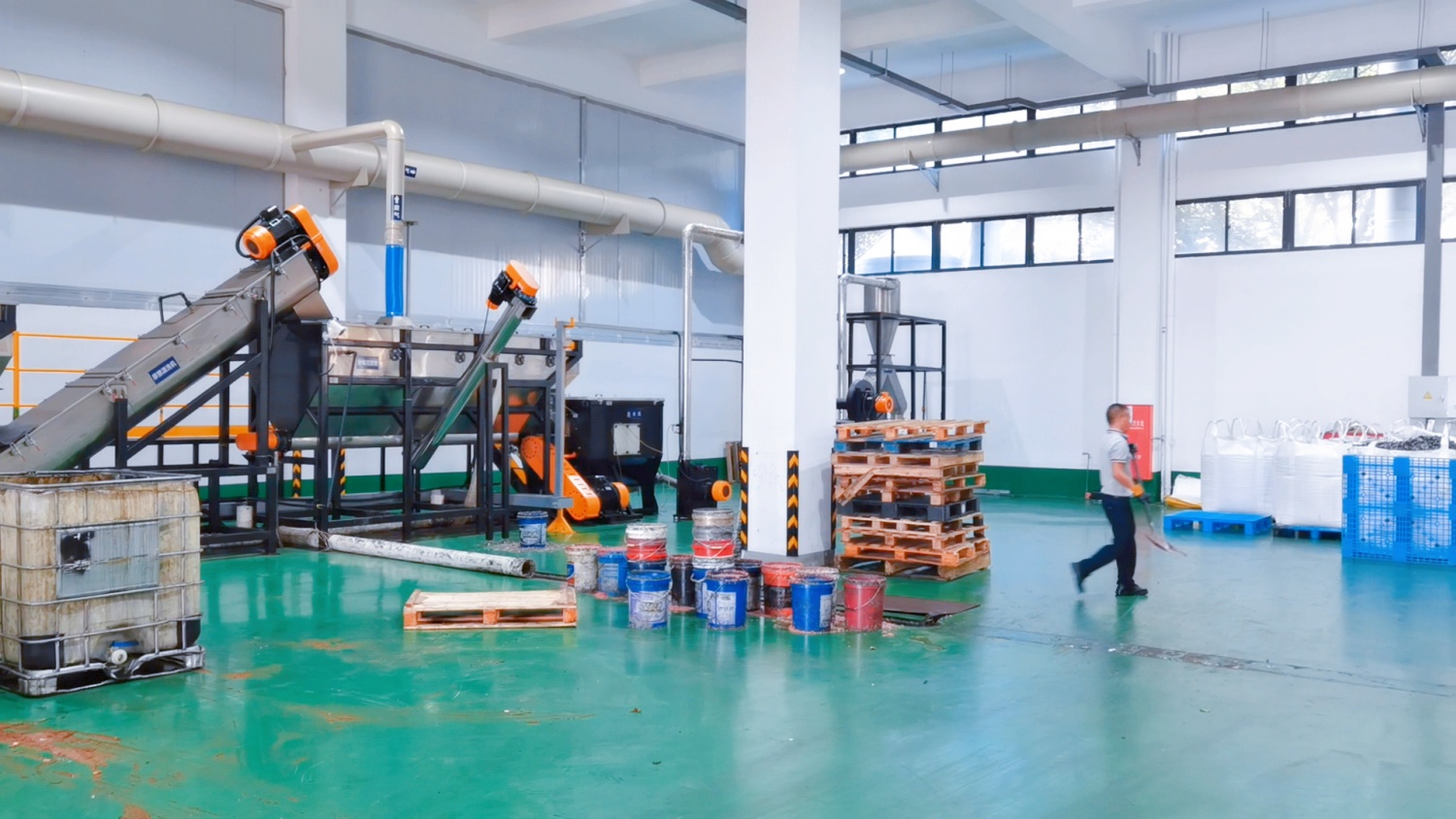
A recycling line may include the following stages, depending on the material and project requirements.
1. Material inspection and pretreatment
Incoming containers should be assessed for their material composition, residual contents, contamination, and handling requirements. Necessary pretreatment must be determined before shredding or washing begins.
2. Shredding and size reduction
An industrial shredder reduces suitable plastic containers into smaller pieces to facilitate conveying, washing, and subsequent processing. Shredder type and cutting configuration should match the container dimensions, material properties, and target output size.
3. Washing and contaminant removal
Appropriate washing equipment can help remove contaminants from the processed plastic. The washing method and intensity depend on the type of contamination and the intended quality of the recovered material.
4. Separation and dewatering
Where required, separation equipment can help remove selected impurities, while dewatering equipment reduces moisture in the washed material before further processing.
5. Wastewater and exhaust treatment
For hazardous or heavily contaminated packaging, wastewater collection and treatment, exhaust collection and treatment, and other environmental protection measures must be evaluated according to the actual waste characteristics and applicable regulations.
The final process configuration should be established through material assessment, engineering evaluation, and applicable environmental and safety requirements. Not every hazardous packaging container is suitable for direct shredding and washing.
For international buyers, reviewing a recycling system in a real application environment can provide useful information beyond a product catalogue or equipment specification sheet.
An on-site project visit allows customers to discuss practical questions such as:
How is the incoming waste handled and fed into the system?
Which processing stages are required for the target material?
How are shredding, washing, separation, and conveying equipment integrated?
What output characteristics are required for downstream recycling?
Which pretreatment, environmental protection, and safety measures need to be considered?
How should the equipment configuration be adapted to the available space and expected processing capacity?
These questions help establish a clearer basis for technical evaluation and project planning.
For equipment suppliers, direct communication also helps clarify the customer's material conditions, production objectives, and expectations before a suitable system configuration is proposed.
Changshu Shouyu Machinery Co., Ltd. (SOYU) specializes in industrial shredders, crushing equipment, separation equipment, and customized solid waste recycling systems.
Our equipment and system configurations are selected according to material characteristics, required output size, processing capacity, and downstream recycling requirements.
For oil filter recycling applications, the system may be configured around size reduction, oil removal, and material separation.
For suitable waste plastic packaging applications, the processing line may combine shredding, washing, impurity separation, and dewatering. Additional pretreatment and environmental protection equipment can be evaluated according to the specific project.
Rather than applying the same configuration to every waste stream, SOYU works with customers to understand their materials and processing objectives before discussing suitable equipment and system options.
Explore more about SOYU's industrial shredding and recycling solutions.
Every recycling project has its own requirements. Before selecting equipment, it is important to identify the incoming material, contamination characteristics, required throughput, target output, and downstream recovery process.
To help evaluate your project, consider preparing the following information:
Material: Oil filters, plastic drums, chemical packaging containers, or other industrial waste.
Material condition: Dimensions, composition, residual contents, and contamination levels.
Processing capacity: Required throughput in kilograms or tonnes per hour.
Output requirements: Target particle size and required separation or cleaning results.
Downstream use: The intended recovery, recycling, or further treatment process.
Site conditions: Available installation space, existing equipment, and applicable environmental and safety requirements.
Photos, videos, and representative material samples, where safe and legally permissible to provide, can help with the initial technical assessment.
Contact SOYU to discuss your oil filter recycling machine, plastic container shredding and washing line, or customized industrial waste recycling project.
Website: https://soyushredder.com/


