Project Location: Taiwan, China
Application: Industrial Waste Recycling and RDF Preparation
Processing Capacity: 10 Tons per Hour (10 TPH)
Equipment Category: Industrial Waste RDF Shredding System
Equipment Manufacturer: SOYU Machinery
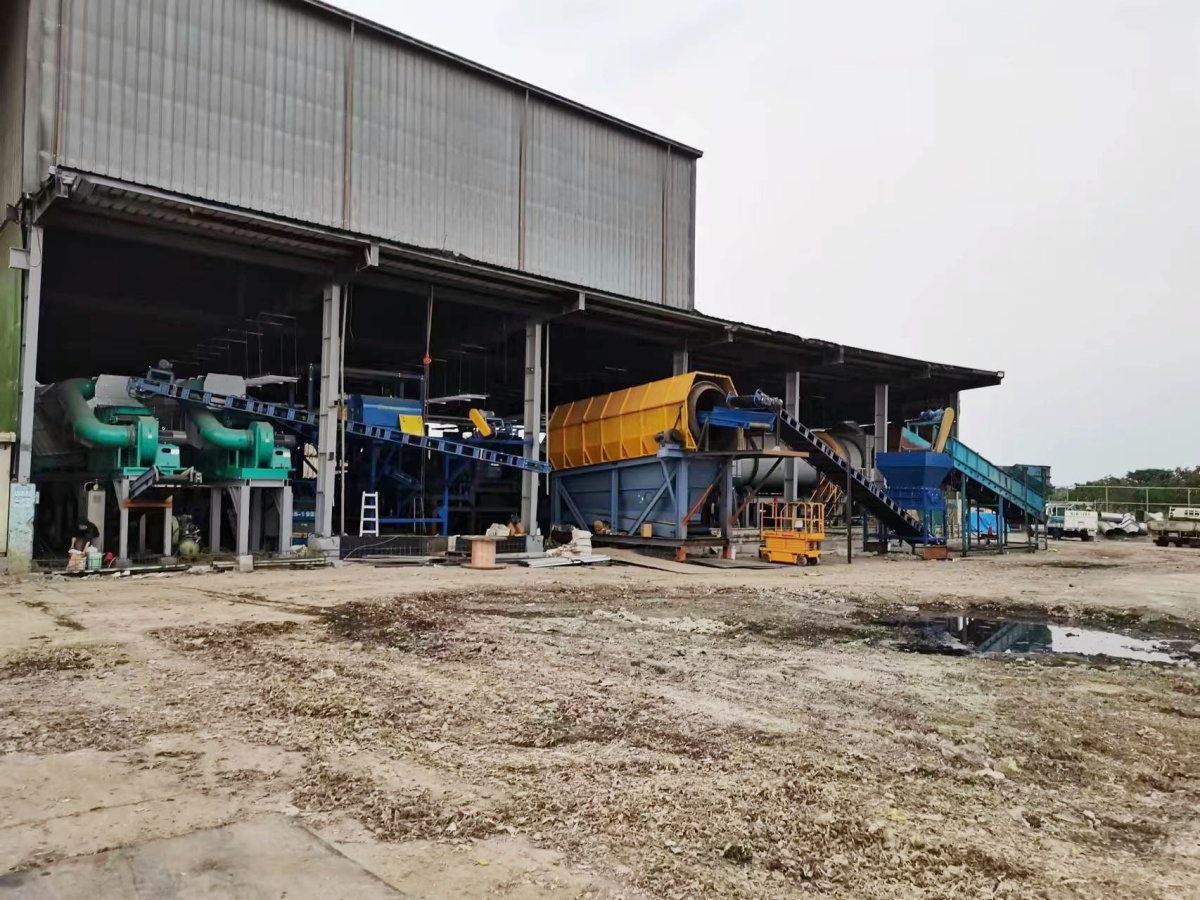
SOYU Machinery supplied RDF shredding and waste processing equipment for an industrial waste-to-fuel project in Taiwan, China, with a processing capacity of 10 tons per hour (10 TPH).
The project focuses on preparing suitable combustible fractions from industrial waste for refuse-derived fuel (RDF) production. Unlike processing a single, relatively uniform material, industrial waste recycling requires equipment to accommodate differences in material composition, size, density, and moisture content.
This project illustrates how industrial shredding technology can be applied to the preparation of alternative fuel feedstock from mixed industrial waste.
Industrial waste can contain a wide range of materials generated by manufacturing, packaging, and other commercial activities.
Depending on the source and waste classification, suitable combustible fractions may include plastics, paper, cardboard, textiles, and packaging residues. Non-combustible materials and unsuitable contaminants must be managed according to the requirements of the processing facility.
For RDF preparation, three factors are particularly important:
Material variability: Different waste fractions respond differently to cutting and size reduction. Flexible plastics, fibrous textiles, and rigid packaging materials can require different processing considerations.
Output consistency: Downstream RDF preparation and utilization may require a defined particle-size range. Material that is too large or inconsistent can create difficulties for subsequent processing.
Process coordination: A shredding machine must operate within the broader material handling and separation arrangement. The performance of the complete processing system depends on the interaction between its stages.
These factors make equipment configuration an important part of industrial waste-to-RDF project planning.
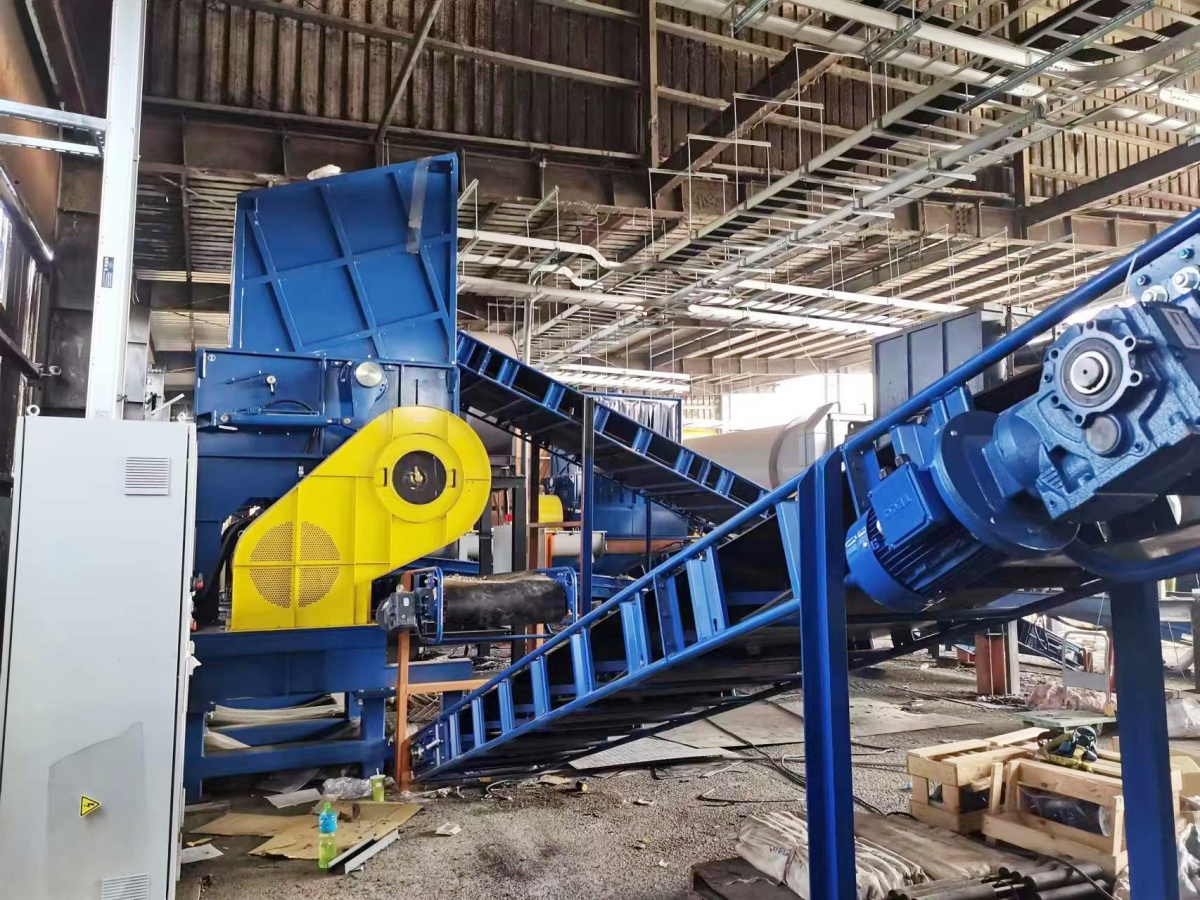
For a processing requirement of 10 tons per hour, the RDF shredding system must be selected according to both the incoming waste characteristics and the desired output specifications.
The engineering assessment typically considers:
Feeding and material handling: Maintaining an appropriate material flow to the shredding equipment.
Shredding equipment selection: Matching the cutting mechanism and machine configuration to the waste stream.
Particle-size control: Considering downstream fuel preparation and handling requirements.
Separation and screening: Identifying where unsuitable fractions or recoverable materials need to be removed.
Wear and maintenance: Planning for the effects of abrasive contaminants, variable loads, and routine servicing.
A nominal processing capacity of 10 TPH should be evaluated alongside material density, moisture content, contamination levels, and target particle size. Actual throughput can vary with operating conditions.
RDF production aims to recover usable energy value from suitable combustible waste fractions.
A typical industrial waste-to-RDF process may include initial material preparation, shredding, removal of unsuitable materials, screening, and further size reduction where required.
The resulting prepared material can be directed toward appropriate downstream RDF processing or fuel utilization, subject to its composition and the relevant quality requirements.
RDF quality is not determined by shredding alone. Particle size, moisture, ash content, contaminants, and calorific value also influence whether the prepared material meets the intended fuel specification.
The specific processing stages and final fuel properties depend on the project design and waste composition.
SOYU Machinery manufactures industrial shredding and recycling equipment for solid waste processing and RDF preparation applications.
The Taiwan industrial waste-to-RDF project represents an application of SOYU equipment in a 10 TPH waste processing system.
For more information about equipment options, processing stages, and RDF applications, explore SOYU Machinery's Industrial MSW & RDF Shredder Machine product page.
Industrial waste-to-RDF projects require careful consideration of feedstock characteristics, processing capacity, target output size, and system integration.
SOYU Machinery works with customers to evaluate industrial shredding and RDF processing equipment requirements for different waste streams.
Contact SOYU Machinery to discuss your industrial waste recycling project and request an RDF shredding equipment recommendation based on your application.