Project Location: South Korea
Application: Industrial Waste-to-RDF Processing
Processing Capacity: 15 Tons per Hour (15 TPH)
Equipment: Industrial Waste RDF Shredding System
Manufacturer: SOYU Machinery
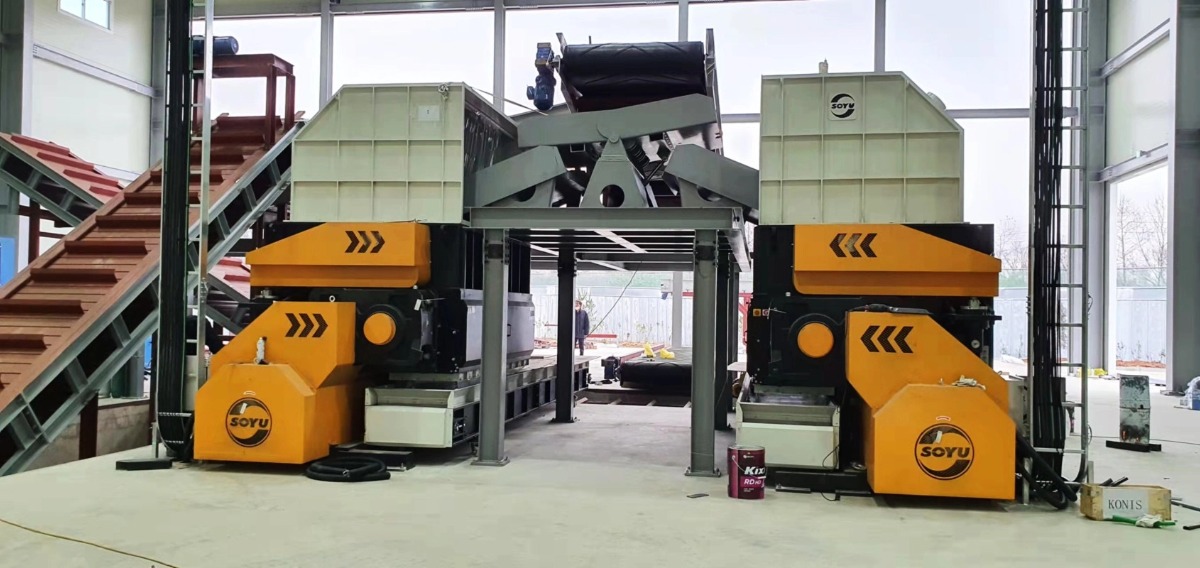
SOYU Machinery supplied an industrial waste processing solution for an RDF (Refuse-Derived Fuel) project in South Korea, designed around a processing capacity of 15 tons per hour.
The project focuses on converting suitable industrial waste materials into RDF feedstock through mechanical processing and material preparation.
For industrial waste recycling facilities, RDF production offers a route for recovering energy value from appropriate combustible waste fractions that would otherwise require alternative treatment or disposal.
With a processing capacity of 15 TPH, this South Korean project demonstrates the application of industrial-scale shredding equipment in waste-to-fuel preparation.
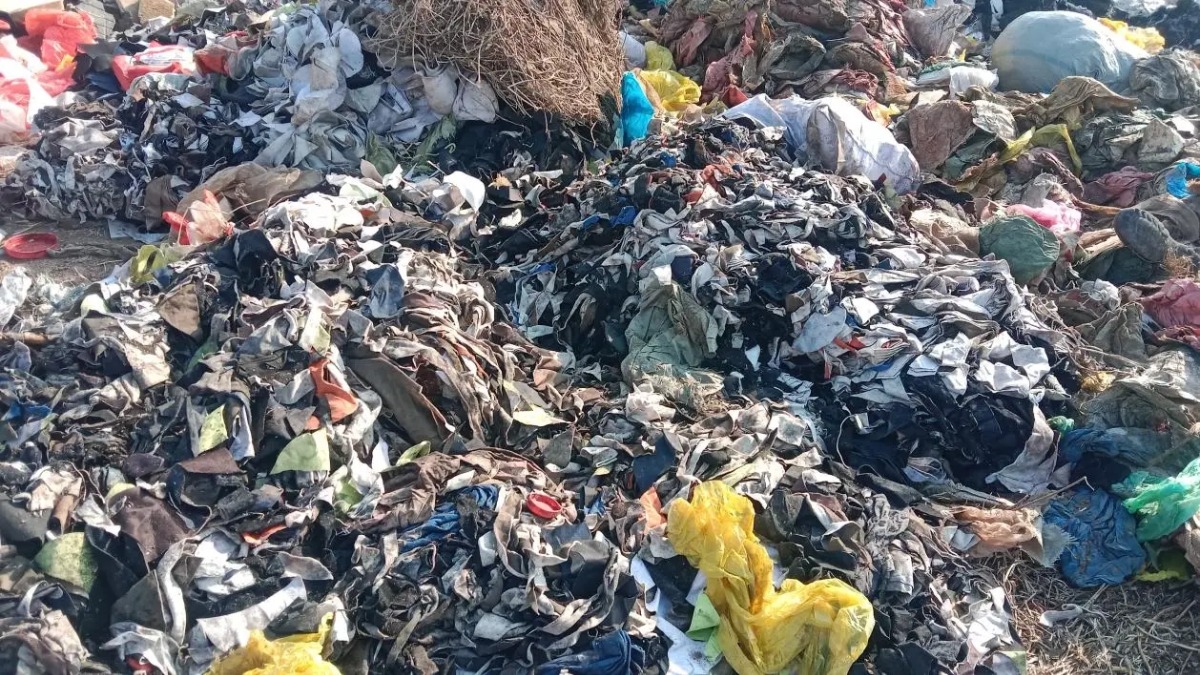
Industrial waste streams may contain a mixture of combustible and non-combustible materials. Depending on their composition, suitable fractions such as plastics, paper, packaging materials, and textiles can be processed for RDF production.
The purpose of an RDF processing system is to prepare waste materials for downstream fuel utilization while managing variations in feedstock composition and particle size.
In a typical RDF preparation process, industrial waste may undergo several stages:
Material Feeding: Industrial waste is introduced into the processing system.
Primary Shredding: Bulky materials are reduced to more manageable sizes.
Material Separation: Selected metals and unsuitable fractions are removed where required.
Screening and Classification: Materials are separated according to processing requirements.
Secondary Shredding: Suitable combustible fractions undergo further size reduction to meet the intended RDF feedstock specification.
The exact equipment arrangement depends on the waste composition, required output characteristics, and plant design. These stages describe common RDF processing principles rather than a verified equipment list for this specific project.
A processing capacity of 15 tons per hour requires careful coordination between shredding equipment, material feeding, separation, and downstream handling.
Several engineering factors are particularly important:
Industrial waste can vary significantly in bulk density, moisture content, material composition, and contamination levels.
These characteristics affect equipment selection and the consistency of material processing.
A 15 TPH processing requirement must be considered together with the target output particle size.
The required degree of size reduction influences the selection and configuration of shredding equipment.
An RDF processing plant operates as an interconnected system rather than as an isolated shredder.
Feeding equipment, shredders, separation devices, conveyors, and downstream processing equipment must be selected according to the overall plant requirements.
Industrial waste may contain abrasive materials and unexpected contaminants.
Maintenance access, wear-part management, and suitable equipment protection are therefore important considerations for industrial RDF processing applications.
SOYU Machinery RDF Shredding Equipment
SOYU Machinery develops and manufactures industrial shredding and waste recycling equipment for RDF preparation and solid waste processing applications.
For industrial waste-to-RDF projects, equipment selection should consider the incoming waste stream, processing capacity, required output size, and the arrangement of the complete processing system.
Explore SOYU Machinery's Industrial MSW & RDF Shredder Machine to learn more about RDF shredding equipment and related waste processing solutions.
RDF preparation is one approach to recovering usable energy value from suitable industrial waste fractions.
The quality and suitability of RDF feedstock depend on factors such as material composition, moisture content, particle size, and the requirements of the intended end user.
The South Korean 15 TPH industrial waste processing project provides a practical example of how industrial shredding systems can support waste-to-fuel preparation at a commercial processing scale.
Whether you are planning a new RDF processing facility or upgrading an existing industrial waste recycling operation, SOYU Machinery can discuss equipment configurations based on your project requirements.
Contact SOYU Machinery to discuss industrial waste shredding, RDF preparation, and integrated waste processing equipment solutions.